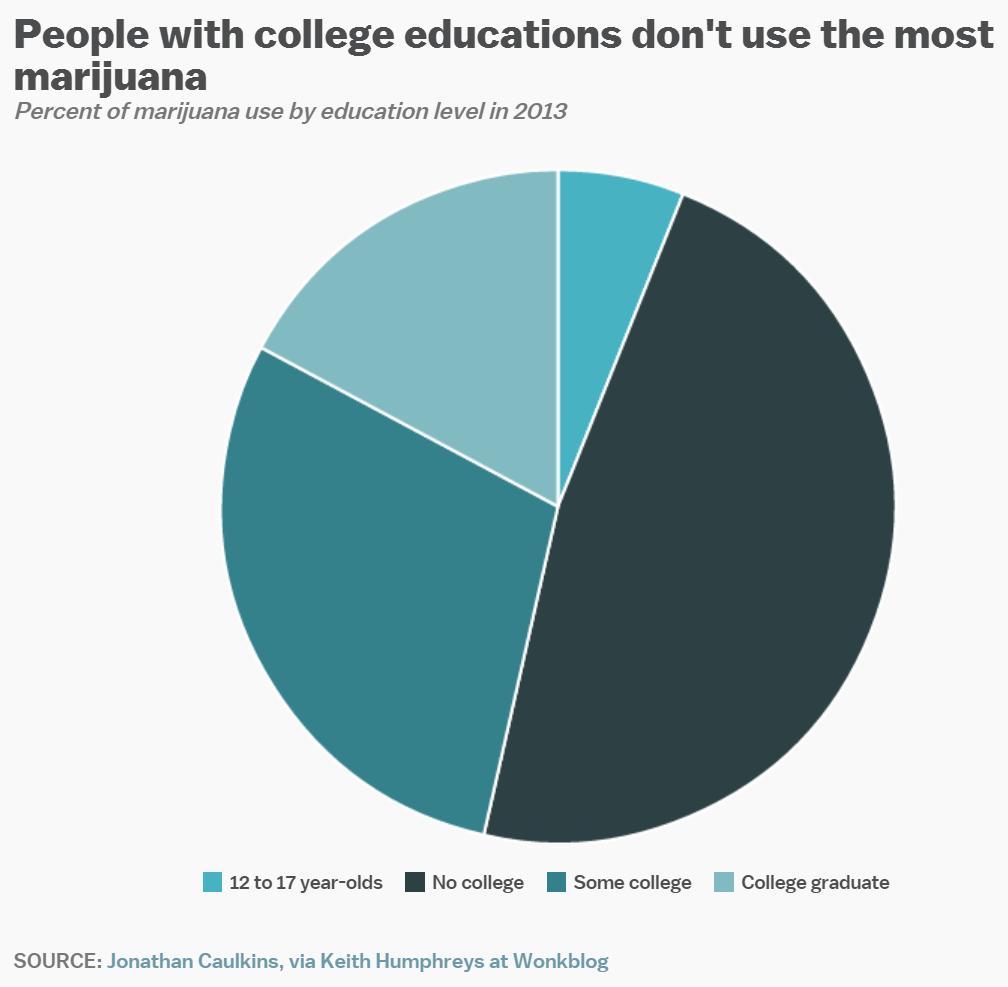
Public health and addiction prevention professionals have been closely watching the development of regulations for, and roll-out of, a recreational marijuana industry in Massachusetts. Many concerning policies are being institutionalized with many public health and prevention professionals sounding the alarm regarding the “Social Equity Program” and all associated components included in the Cannabis Control Commission’s regulations, driven by industry representatives, both internal and external to the process. These regulations increase availability and access of marijuana to populations who are already disproportionately affected by youth marijuana use: One quarter (24.5%) of Massachusetts youth (grades 9-12) used marijuana regularly (past 30-day). LGBTQ and Latino youth have higher use rates and students who identify as “multi-racial” are almost twice as likely to use marijuana regularly (45.8% compared to 24.5%) (Monitoring the Future 2015). Although, on the surface the “Social Equity Program” sounds like a good idea, the Cannabis Control Commission’s regulatory language drives market growth, targets communities with high unemployment rates (low income), minorities, veterans, the LGTBQ population, and is counter-productive to the state’s addiction prevention goals.




 Here is a two-page pdf of reasons why Massachusetts voters should be very concerned about the provisions of Question 4. Please read, download, forward, print, share. And, please vote “No” on Question 4.
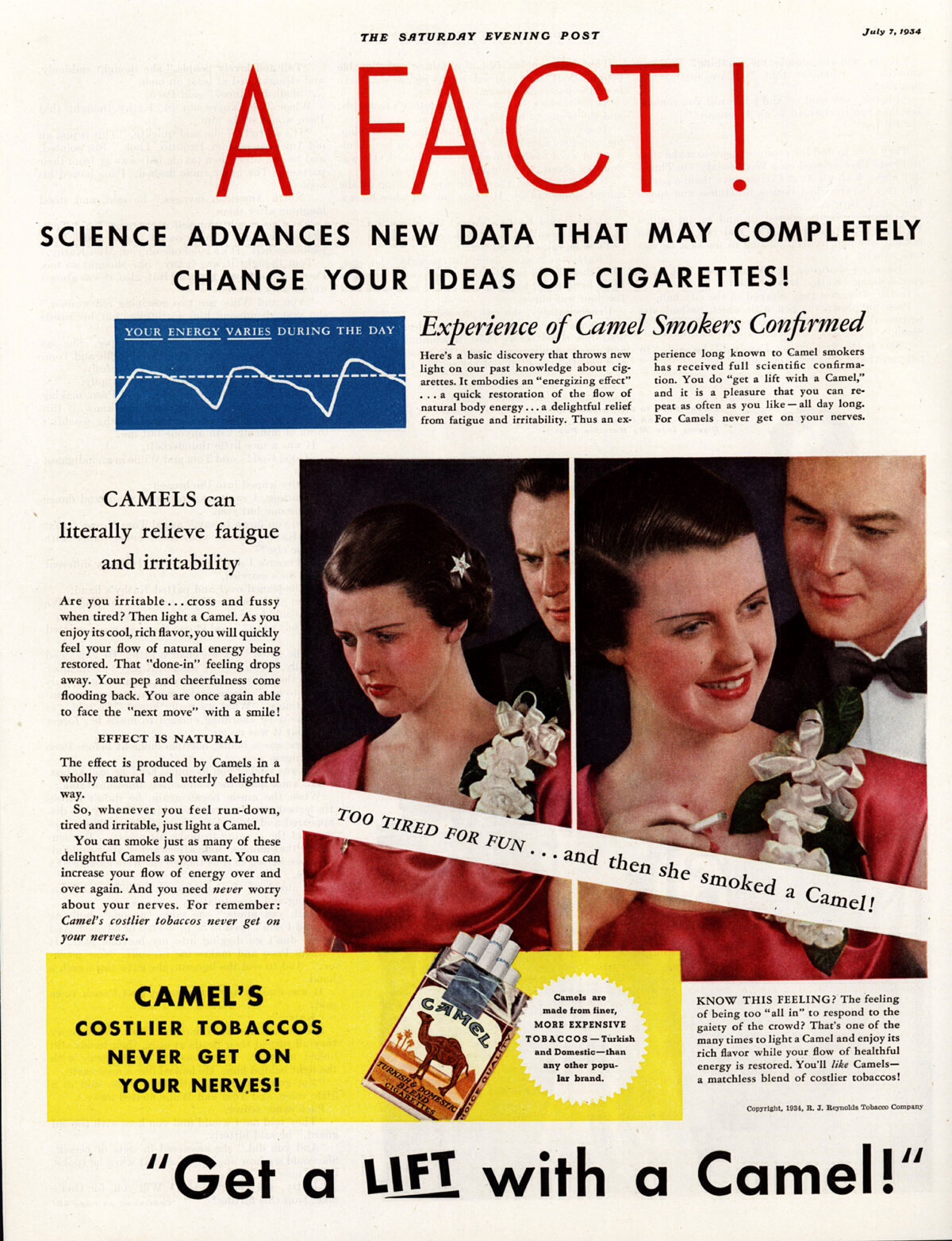
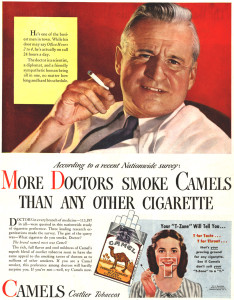 Do you remember the 1990s? In the 1990s, Massachusetts and other states successfully sued the tobacco industry for
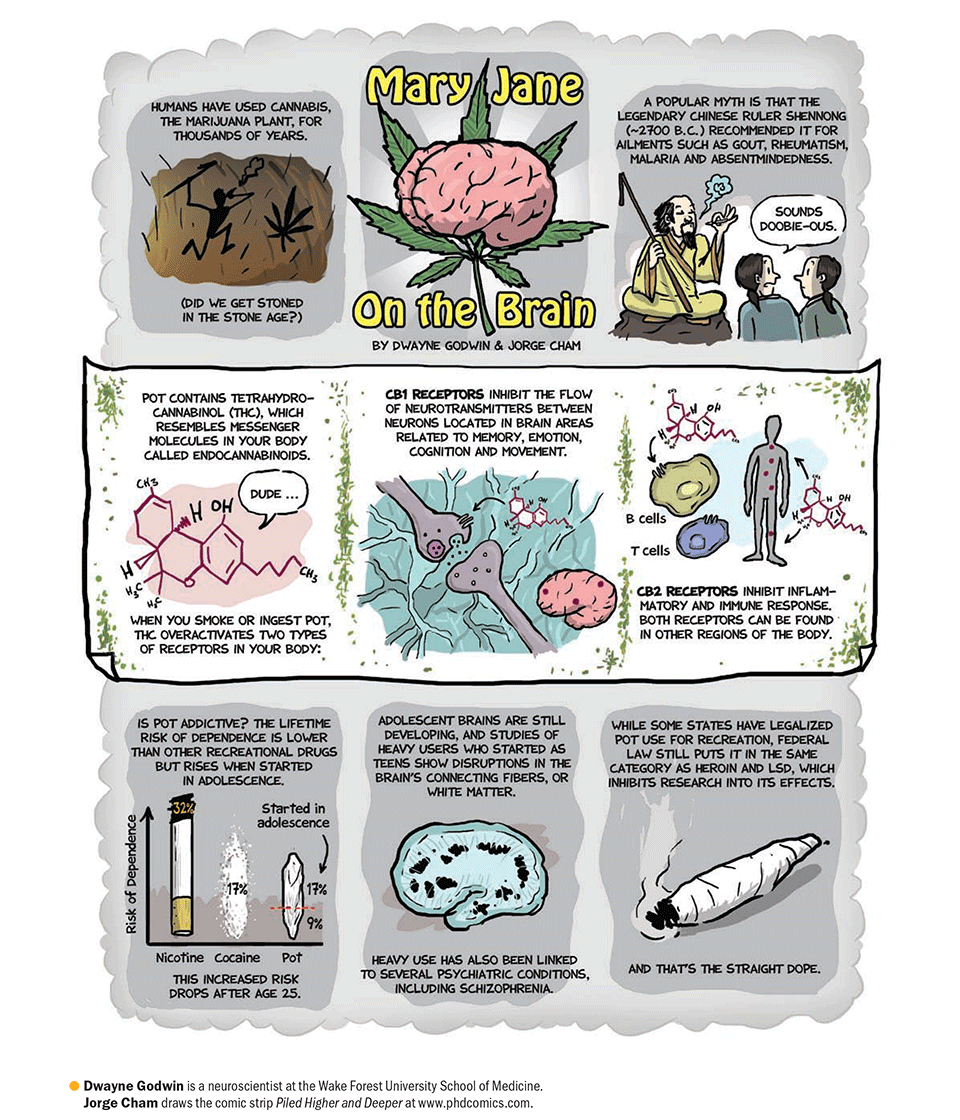
  Though it is still early, these “experiments” in legalization are not succeeding. Marijuana commercialization is failing as a public health approach to drug use.